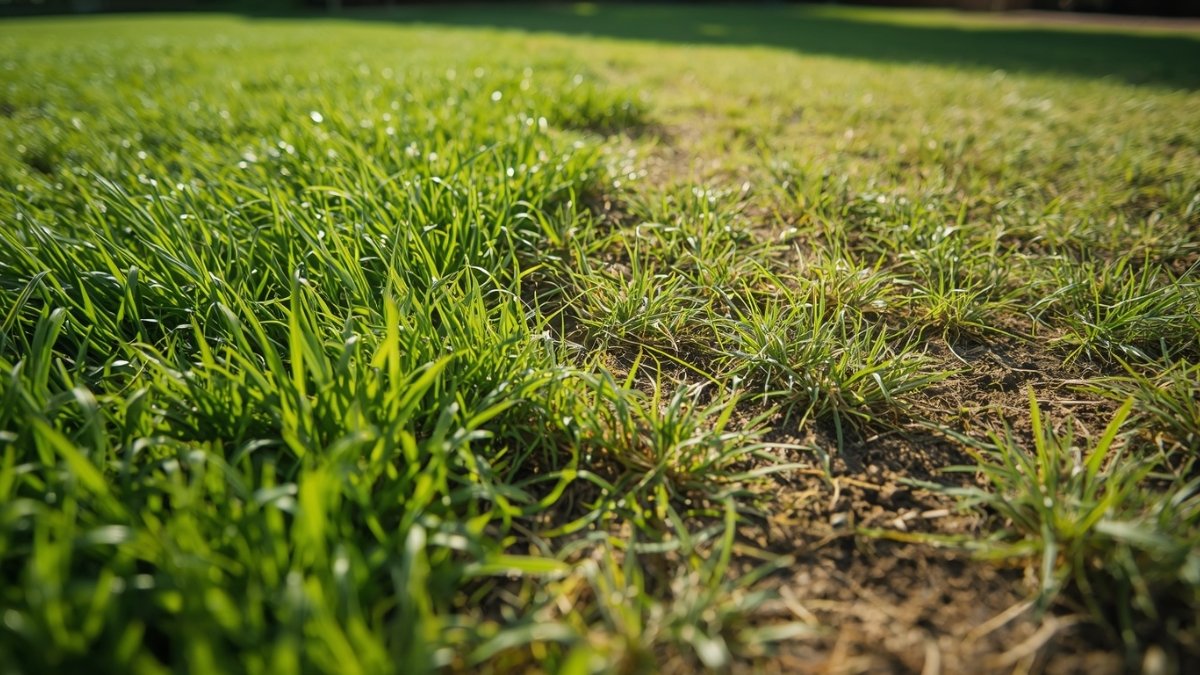
Have you ever noticed that some areas of your yard just can’t seem to grow healthy grass? You water it regularly, but the grass remains patchy, thin, or completely absent. This is a common problem faced by many homeowners, and it can be frustrating when certain parts of your lawn just won’t thrive. Fortunately, there are several reasons why this happens, and understanding the cause is the first step toward solving the problem.
In this blog, we will cover the most common reasons why grass won’t grow in certain areas of your lawn, as well as practical solutions to fix these issues.
1. Poor Soil Quality
One of the primary reasons grass refuses to grow in certain areas is poor soil quality. Soil that is too compacted, too acidic, or too alkaline can prevent grass roots from properly anchoring and receiving nutrients. Soil that is too dense or lacks adequate organic matter also struggles to retain moisture, which leads to weak grass growth.
Signs of poor soil:
- Hard, compacted soil
- Yellowing or stunted grass
- Low nutrient content
Solution:
- Conduct a soil test to check for pH imbalances and nutrient deficiencies
- Amend the soil with organic matter, such as compost, to improve texture and drainage
- Consider aerating the soil to reduce compaction and increase root penetration
For more details on soil amendments and improving soil health, check out this guide by Goers Landscape.
2. Insufficient Sunlight
Grass needs plenty of sunlight to grow, and some areas of your lawn may simply not be receiving enough. Lawns that are shaded by trees, buildings, or fences often struggle to grow because they don’t get the sunlight they need for photosynthesis.
Signs of insufficient sunlight:
- Thin or sparse grass
- Dark green or yellow patches
- Increased moss or weed growth
Solution:
- Trim back overhanging tree branches or shrubs that may be blocking sunlight
- Consider replacing grass with shade-tolerant groundcovers or moss in highly shaded areas
- If possible, plant grass varieties that thrive in low light conditions, such as fine fescues
3. Poor Drainage
If certain areas of your yard tend to pool with water or remain wet for long periods after rainfall, drainage issues may be to blame. Poor drainage leads to waterlogged soil, which drowns grass roots and prevents proper growth. Grass that is subjected to excessive moisture can develop root rot and fungal diseases.
Signs of poor drainage:
- Water pooling in certain areas
- Grass turning yellow or brown in wet spots
- Foul smell from stagnant water
Solution:
- Improve yard grading to direct water away from low-lying areas
- Install French drains or other drainage systems to redirect water
- Use soil amendments to improve drainage, such as sand or gypsum
For professional drainage solutions, consider exploring services from Goers Landscape.
4. Compaction from Foot Traffic
Heavy foot traffic can lead to soil compaction, especially in areas that are frequently used. When the soil becomes compacted, it prevents water, air, and nutrients from reaching the grass roots. As a result, grass in these areas struggles to grow and may turn brown or patchy.
Signs of soil compaction:
- Hard, dry soil that resists penetration
- Weak, sparse grass in high-traffic areas
- Water draining slowly or pooling
Solution:
- Aerate your lawn to reduce compaction and allow air and water to reach the roots
- Consider creating designated walking paths or using stepping stones to reduce foot traffic on certain areas
- Install grass-friendly turf solutions like artificial grass in highly compacted areas
5. Pests and Diseases
Insects and diseases can also be a major cause of grass problems. Certain pests, such as grubs and ants, can damage the roots of your grass, making it more susceptible to yellowing or dying. Fungal diseases, such as brown patch or dollar spot, can also cause yellow, dying patches in your lawn.
Signs of pest or disease damage:
- Yellow or brown patches with distinct borders
- Visible insects, like grubs or ants, in the soil
- Spreading fungus or mold
Solution:
- Identify and treat pests using safe pesticides or natural alternatives
- Apply fungicides to control fungal growth
- Maintain good lawn hygiene by removing dead grass and debris to prevent pest infestations
6. Excessive Thatch
Thatch is a layer of dead grass and organic material that can build up on the surface of the soil. When thatch becomes too thick, it prevents water, nutrients, and air from reaching the grass roots, which can lead to poor growth and yellowing.
Signs of excessive thatch:
- Thick, spongy layer on top of the soil
- Grass appears weak or patchy
- Water runs off the surface instead of soaking in
Solution:
- Remove thatch through lawn dethatching or raking
- Consider aerating your lawn to break up the thatch layer
- Reduce the use of excessive fertilizers that may promote thatch buildup
Conclusion
If your grass isn’t growing in certain areas of your yard, it’s important to identify the underlying problem and take action. Whether it’s poor soil, lack of sunlight, drainage issues, or pests, there are many solutions that can help restore healthy grass. With a little effort and the right approach, you can have a beautiful, green lawn all year round.
For professional help with soil testing, aeration, pest control, and other lawn care solutions, visit Goers Landscape for expert advice and services.
FAQs
Why is my grass not growing in the corner of my yard?
Areas with poor sunlight, compacted soil, or drainage issues are often the cause of grass not growing in corners of your yard. Try improving soil conditions and ensuring proper water flow.
Can I fix grass that won’t grow in certain areas?
Yes, by addressing the underlying issue, such as soil quality, sunlight, drainage, or pests, you can restore growth to those areas. Aeration and fertilization often help.
How long will it take for grass to grow in these areas?
It depends on the cause of the issue and the solution applied. It may take anywhere from a few weeks to a few months to see full recovery.